Explore the Archive
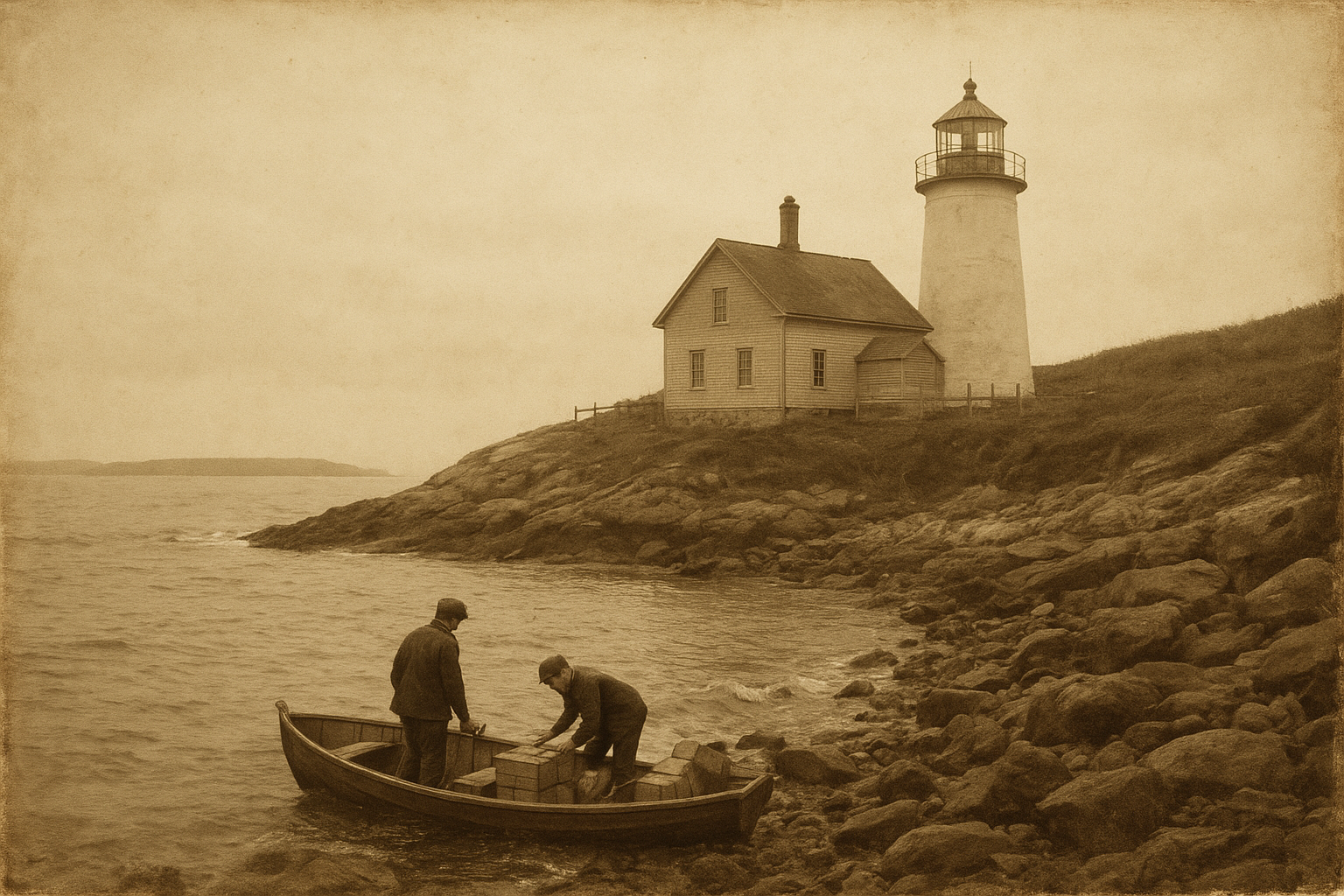
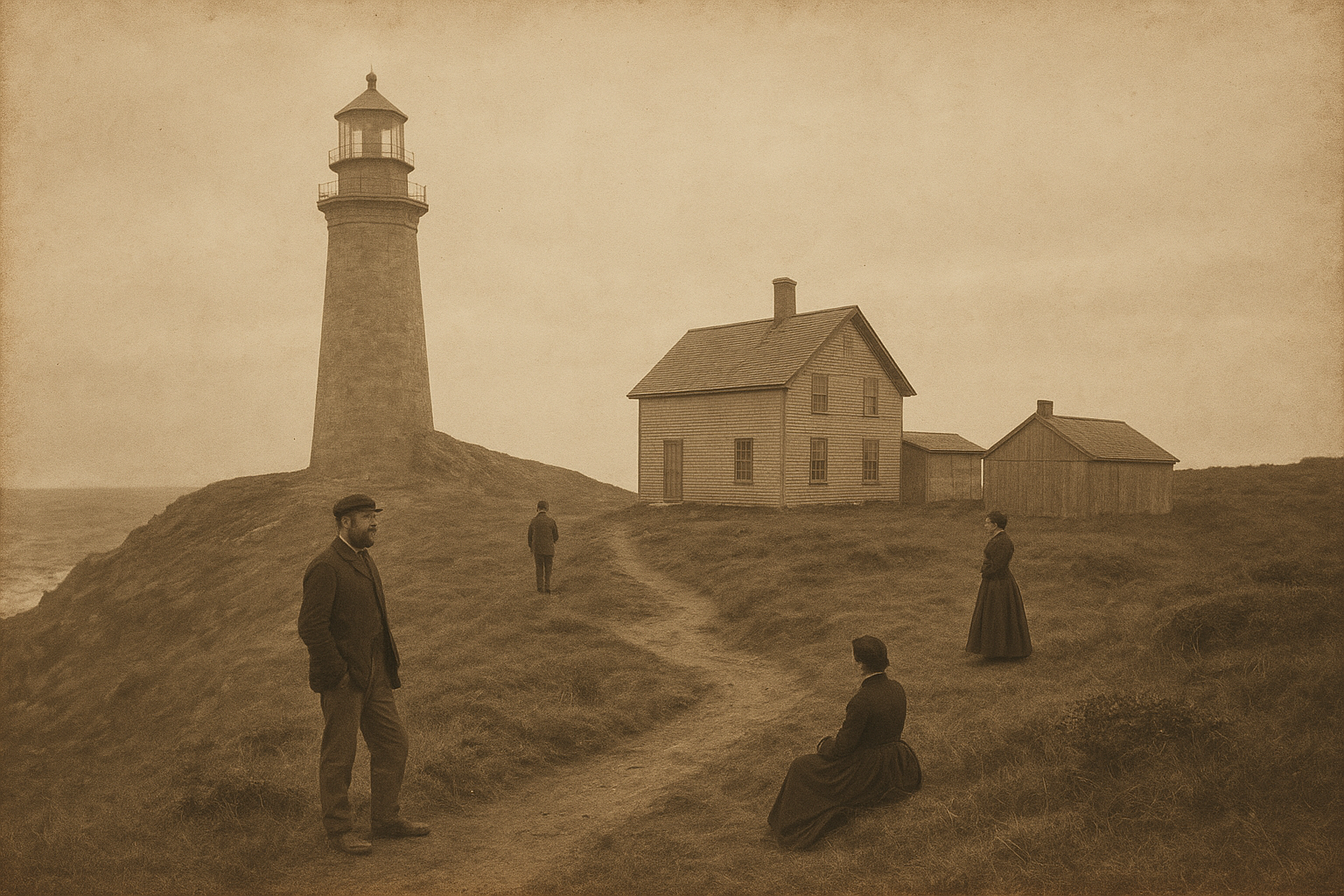
Late-19th-century lighthouse on a rocky northern headland under overcast skies, rendered as warm faded documentary film with natural grain and no posed people

A northern coast history

Where the Coast Kept Watch

Towers, keepers, storms, and the records that survived them continue to map how the northern coast remained visible.

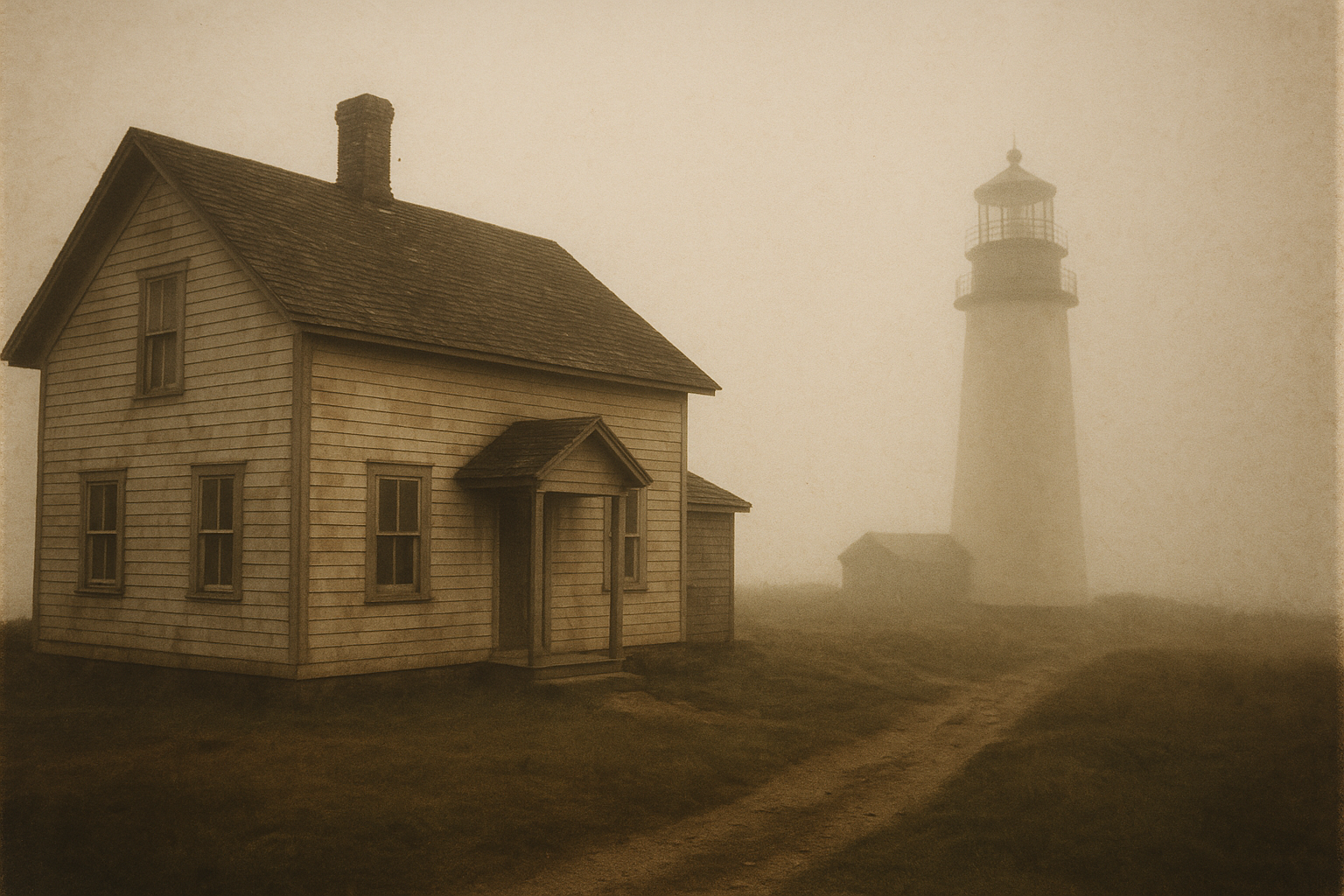
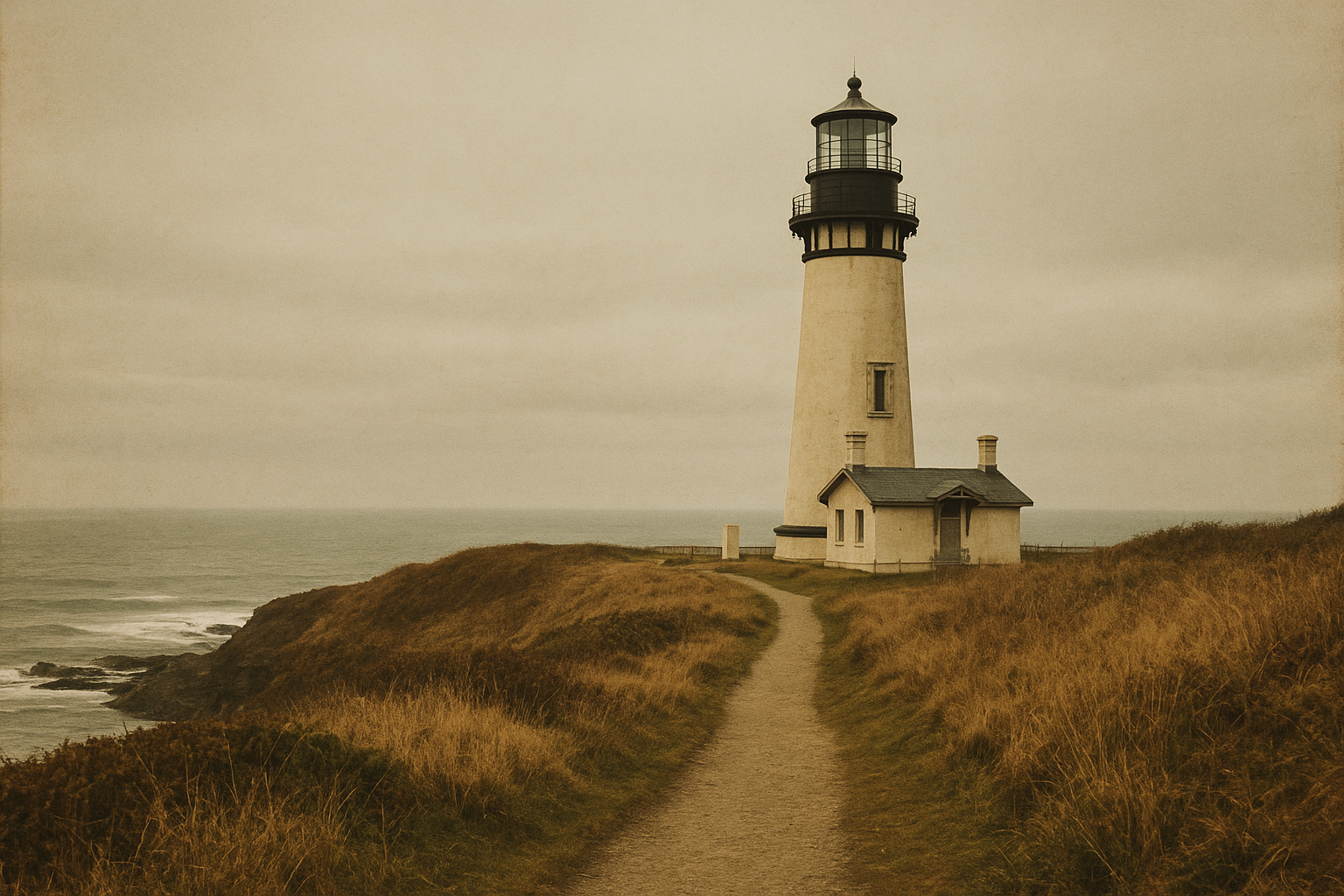
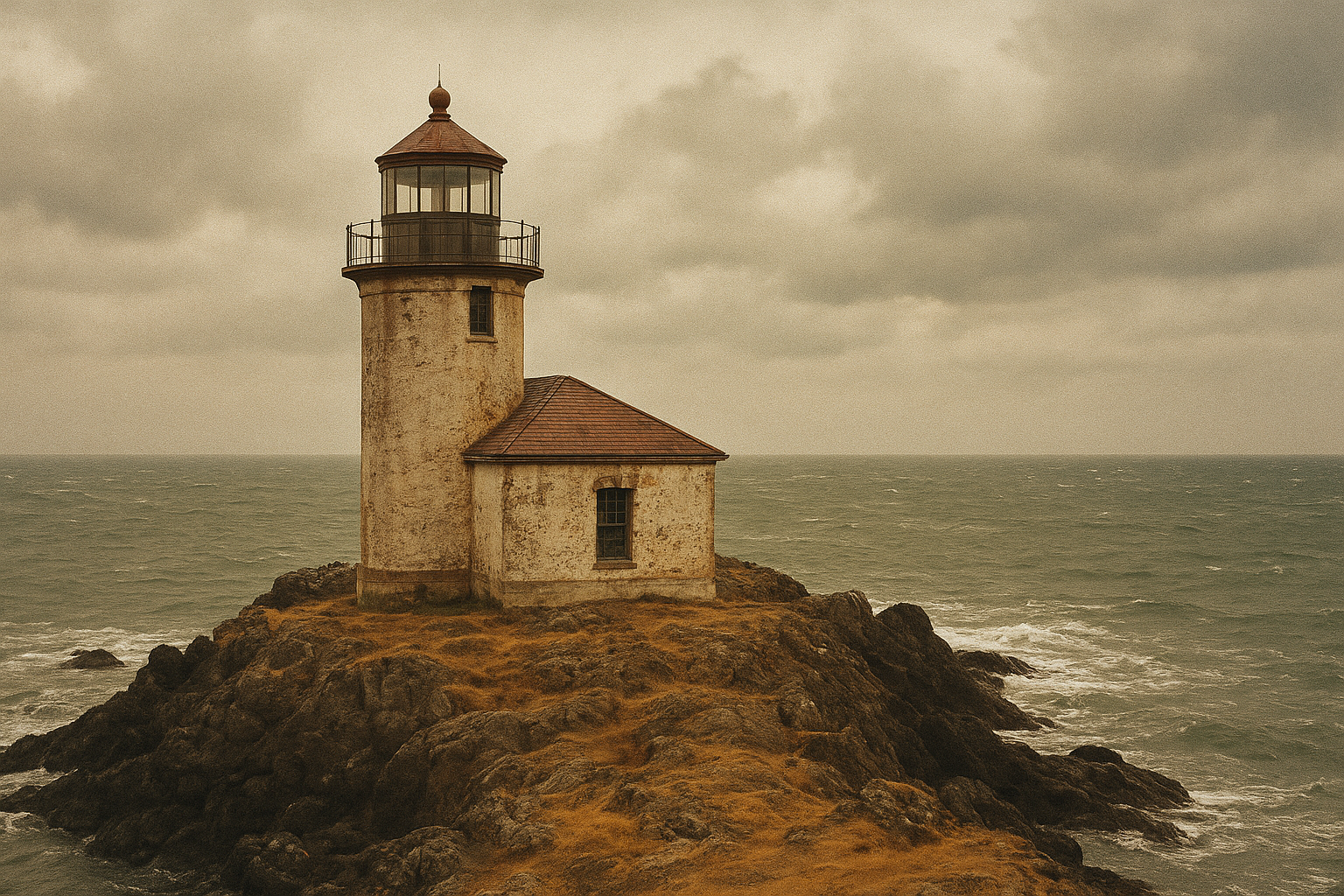
Late 19th century era Imagery is interpretive of documented conditions.

History

A Coast Measured in Light

A concise chronology of the northern coast’s lighthouse record, tracing infrastructure, labor, and preservation across generations.

  • Before 1800

    Signals Before Towers

    Headland fires, bells, and daymarks warned vessels where charts and visibility failed.

    Source note: Context drawn from common northern maritime signaling practices.

  • 1800s

    The Building Century

    Masonry towers, fitted lenses, and staffed stations extended dependable light along exposed routes.

    Source note: Dates vary by station; consult local registers for tower-specific records.

  • Early 1900s

    Life at the Station

    Keeper families maintained lamps, logged weather, received supplies, and assisted vessels in distress.

    Source note: Duties are summarized from period keeper manuals and station logs.

  • Late 1900s–Today

    Automation and Preservation

    Automation changed daily work while preservation groups protected towers, lenses, and surviving records.

    Source note: Preservation status remains local and may change over time.

Keeper Stories,

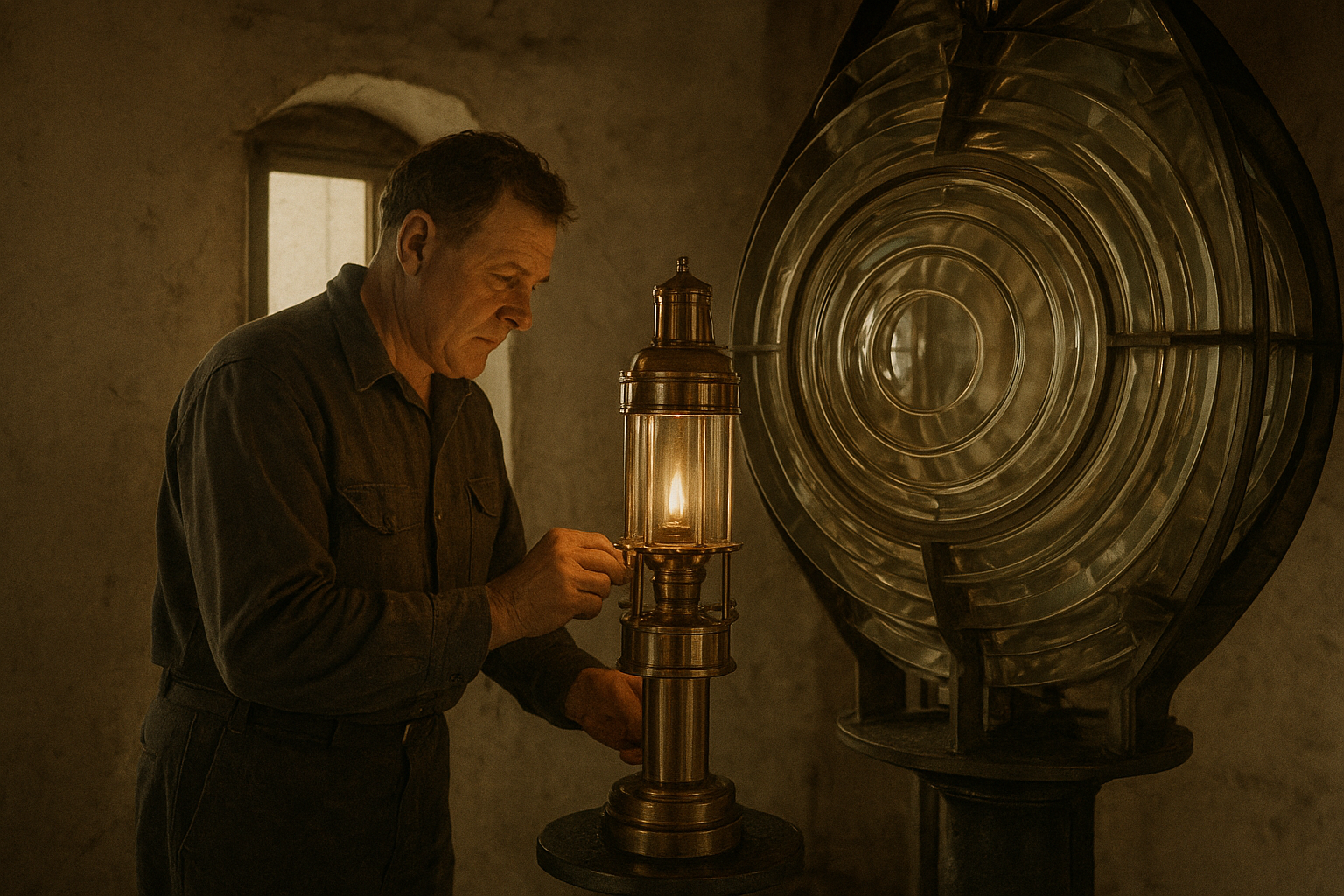
Lighthouse keeper in a lens room checking polished brass lamp fittings beside a Fresnel lens, lit from one side with warm faded film grain
Lens-room inspection, reconstructed from common routines in late keeper logs.

The Light Was Never Kept Alone,

Behind each beam stood shared labor: measured tending, weather judgment, and family routines repeated through the night.

“Storm or calm, no watch ended with one pair of hands.”

From a composite of period keeper accounts,

Tending the lens

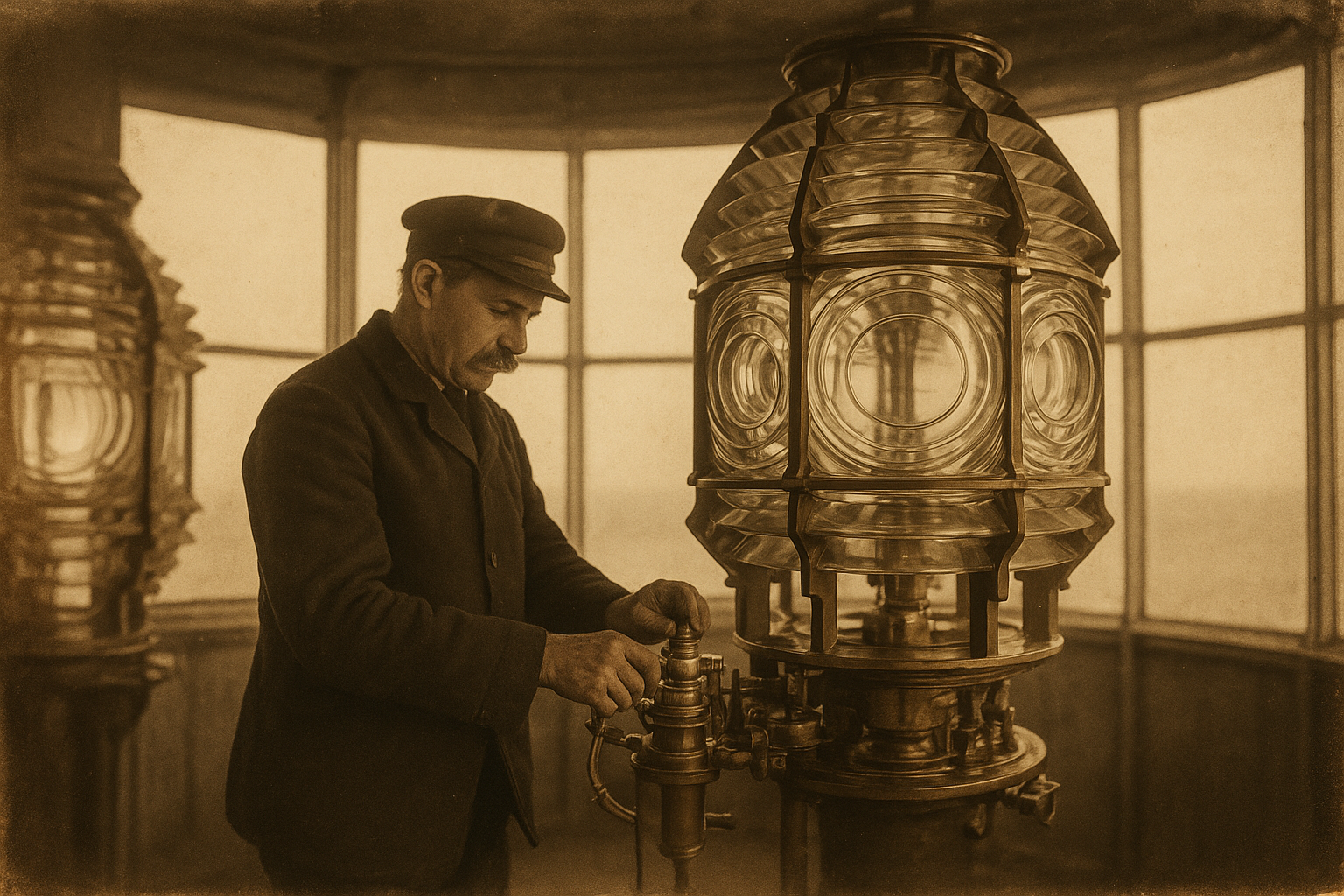
Records repeatedly note wick trimming, chimney cleaning, and brass polishing before dusk, with timings adjusted to mist and season so the lens stayed clear before first dark.

Living by weather

Keeper families describe meals, sleep, and repairs set around wind shifts, supply landings, and sudden squalls, where domestic work and navigational duty were inseparable.

Editorial composite disclosure: this feature synthesizes recurring themes across keeper logs, maintenance ledgers, and oral-history fragments; it is not a verbatim named testimony.

Source method note: passages were condensed for clarity and cross-checked with timeline records and tower-condition cards. History · Towers
Preserved Towers

Landmarks Still Holding the Horizon

A quick geographic reference to surviving lights along the northern coast, paired with preservation context and careful visitor guidance.

Northern Coast Reference

Reference map — not to scale

N
  1. North Head Light

    Setting
    Outer headland
    Preservation status
    Preserved tower
    Access note
    Viewed from the coastal path; local access conditions may vary.
  2. Greyhaven Beacon

    Setting
    Harbor approach
    Preservation status
    Restored landmark
    Access note
    Best understood from the public waterfront and harbor walk.
  3. Cape Alder Station

    Setting
    Forest-edged cape
    Preservation status
    Surviving station complex
    Access note
    Seasonal grounds access may be offered by local custodians.
  4. Storm Point Tower

    Setting
    Rock shelf coast
    Preservation status
    Conserved exterior
    Access note
    Offshore views are weather-dependent; verify local guidance.